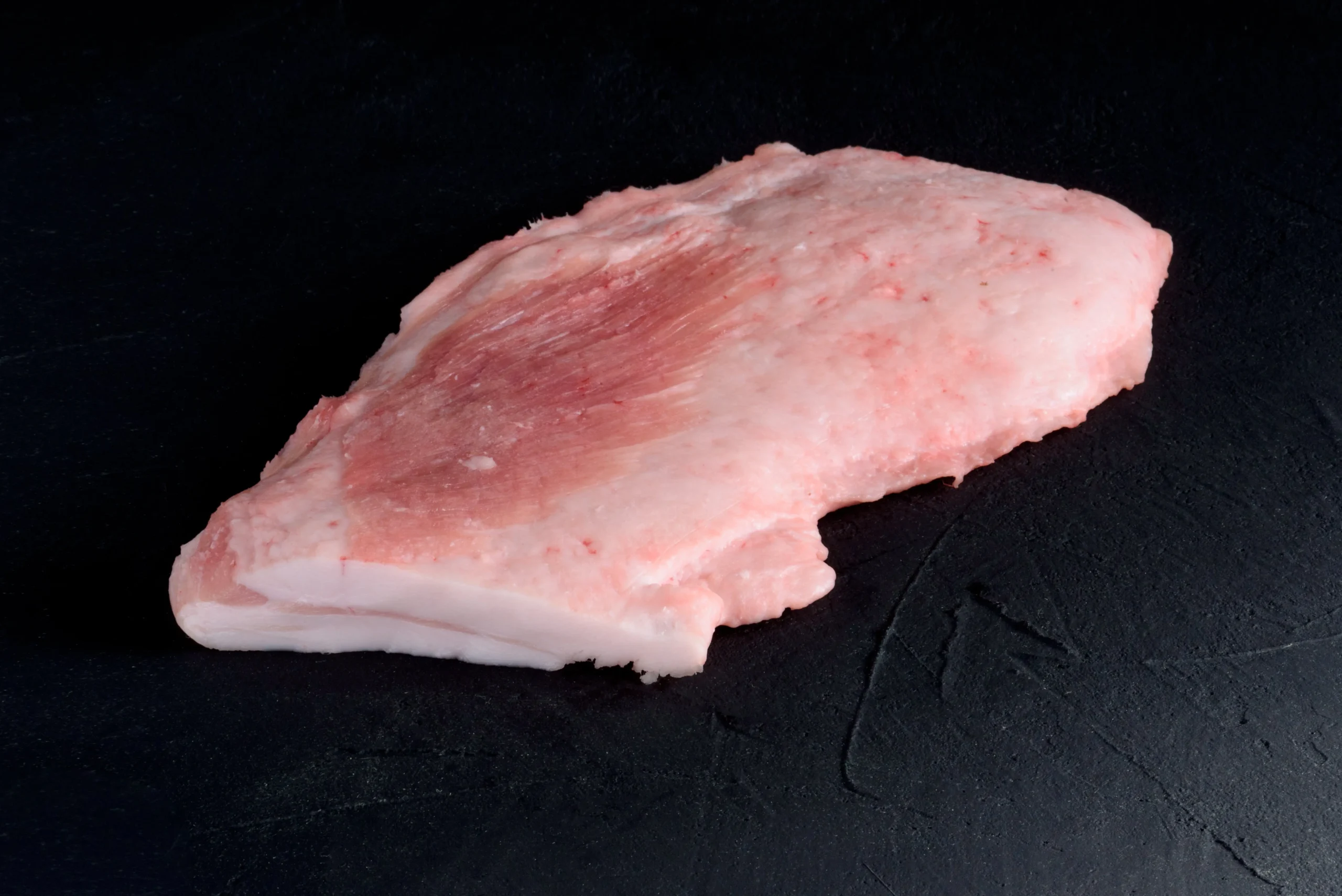
Pork Lard

It is the solid subcutaneous fat of the pig, usually from the back area. It is distinguished by its pure white color and its stable structure that does not melt easily at room temperature. It is rich in energy and offers a unique flavor and texture wherever it is used.

Pork Lard for B2B Wholesale

An essential raw material for the food industry. It is used either for the production of processed fat through melting, or as is, cut into cubes for the preparation of salami and mortadella, providing the necessary visual and taste contrast to the cold cuts.

Product Information

Packaging10kg block with poly-bag
Storage Temperature:-18 °C
Product Condition:Frozen
Product Shelf Life:2 years
Organoleptic CharacteristicsAppearance: White-pink color without visible signs of spoilage.
Smell: Characteristic smell of fresh product.
Microbiological Criteria:TBC: < 5*10⁶ cfu/gr
Enterobacteriaceae: <500 cfu/gr
E. coli: <500 cfu/gr
Salmonella spp: Absent in 25gr
Allergen Declaration:Does not contain allergens, according to the LEDA/ALBA list (EU1169/2011)

Nutritional Table

Nutritional InformationAmount (per 100 g)
Energy (kcal)900 kcal
Protein (g)0.5 g
Total fat (g)99 g
Saturated fat (g)38 g
Carbohydrates (g)0 g
Sugars (g)0 g
Sodium (mg)40 mg
Salt (g)0.1 g

* The nutritional table is based on a literature review rather than on analysis

It is manufactured according to ISO, FSSC and HACCP standards

Suitable for wholesale, cold cuts and bakery

It is widely used in traditional bakeries and pastry shops

Fresh & Freezable

What is the difference between Pork Lard and soft fat?

Back fat is hard, an ideal additive for cold cuts and salamis. Soft fat melts easily and is intended for melting or emulsions. The right choice of fat is critical to the texture and success of the cold cut or baked product.

Is Pork Lard used in baking?

Lard is essential in traditional baking and pastry making. When used in doughs, it creates an exceptionally crumbly and crispy texture that butter or oil cannot exactly imitate. It also imparts a rich, savory flavor that elevates the final result.

How is it best maintained?

Lard has excellent freezing stability. Due to its very low water content, it does not form ice crystals that destroy the texture. If properly packaged (in a block or bag) and protected from light and oxygen, it can be kept unchanged for a long time (over 12 months) without going rancid, ensuring a stock for the professional.